
Considering a career in rope access? You’ve probably heard plenty of stories – some exciting, some downright scary. At Access All Areas, we train hundreds of people each year through our IRATA-approved courses, and we hear the same myths over and over.
The truth? Rope access is a professional, regulated industry with strong safety records, good earning potential, and real career progression. Let’s bust the top myths holding people back.
Myth 1: Rope Access Is Extremely Dangerous – One Rope Snap and You’re Done
This is the biggest one. People picture Hollywood stunts: dangling on a single thin rope with nothing below.
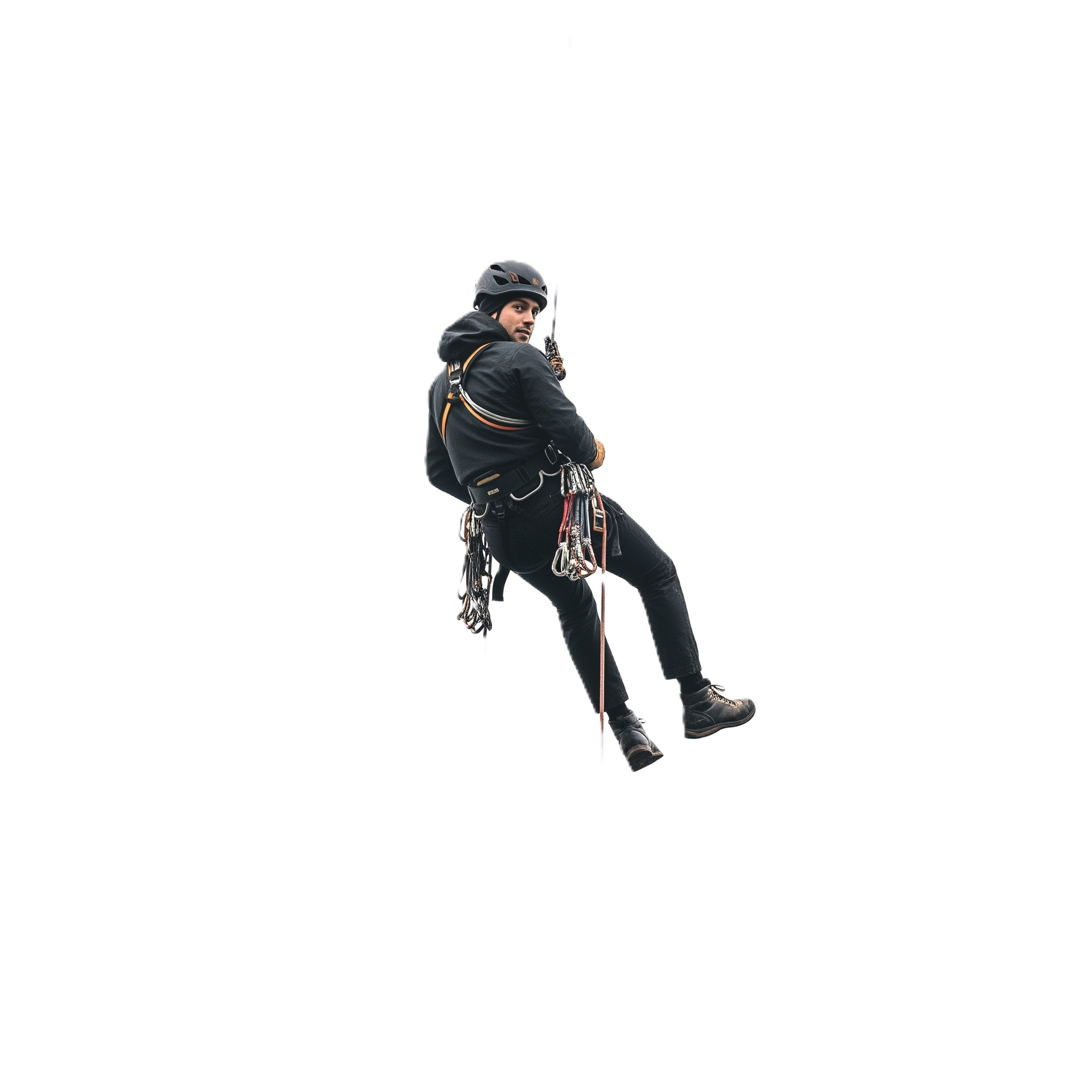
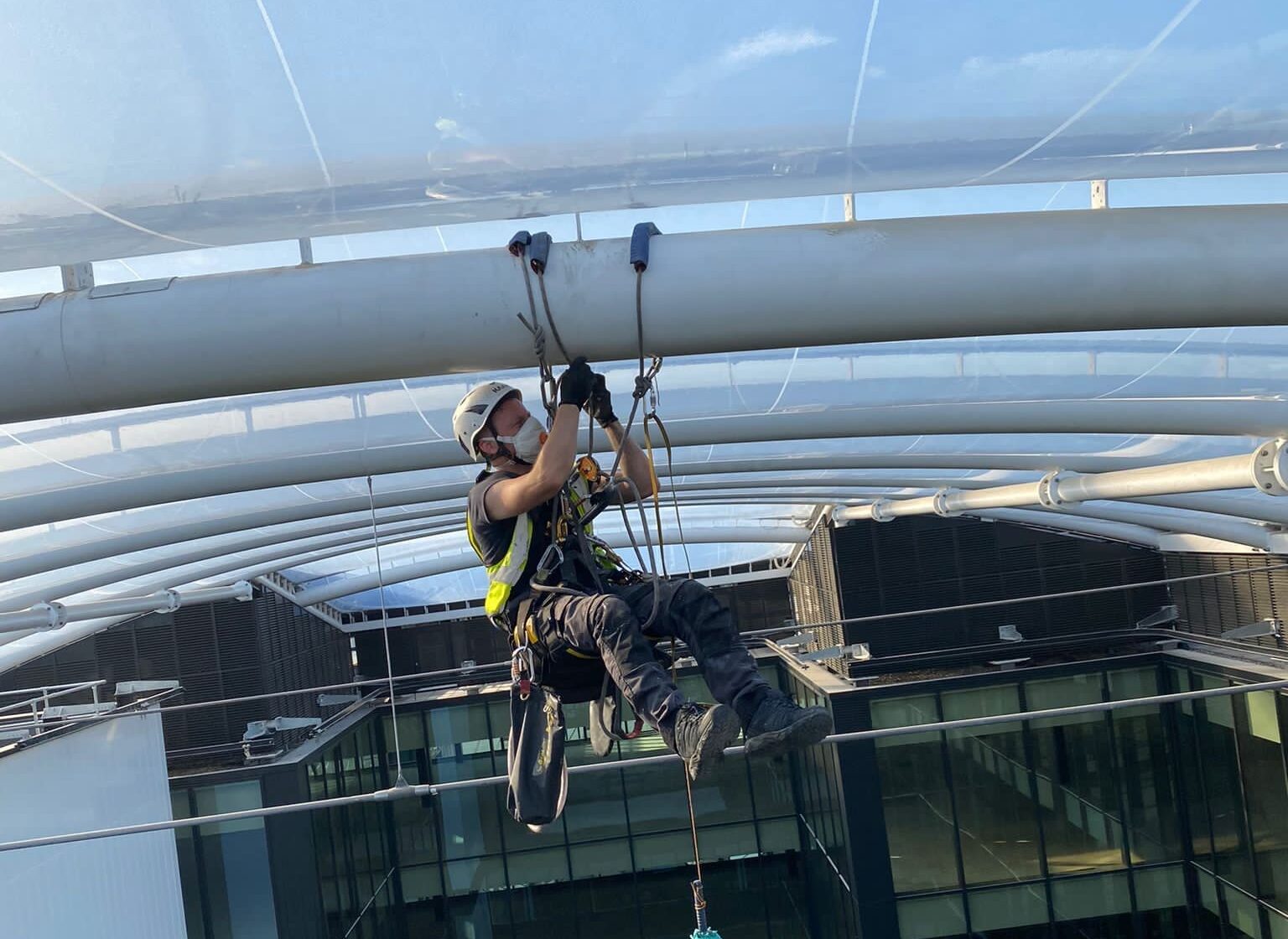
Reality: Professional IRATA rope access uses a mandatory two-rope system – a working line (primary) and a backup safety line on separate anchors. If the working line fails (extremely rare), the backup engages automatically. IRATA reports some of the lowest incident rates among work-at-height methods, thanks to rigorous training, daily equipment checks, redundancy, and strict protocols.
At AAA, our technicians follow IRATA guidelines to the letter – we’ve maintained an exemplary safety record across thousands of projects. It’s safer than many assume, often safer than scaffolding due to fewer dropped-tool risks and better mobility.
Myth 2: You Need to Be Super Fit or a Former Climber/Military to Succeed
Sure, a base level of fitness helps, but it’s not about brute strength or being an elite athlete.
Reality: Rope access relies on technique, not power. Efficient body positioning, gear use, and controlled movements matter more than raw muscle. Many enter from trades like painting, welding, inspection, or construction – no climbing background required.
Good core strength and endurance are needed for long days, but our IRATA Level 1 course builds the skills progressively. Women and people of all builds succeed in the industry; it’s about skill, focus, and safety mindset, not gym-rat physique.
Myth 3: Rope Access Is Just a Short-Term Gig or “Adventure Job” – No Real Career Path
Some see it as seasonal or thrill-seeking, not a proper profession.
Reality: It’s a skilled trade pathway with clear progression: Level 1 → Level 2 (after 1,000 hours + 1 year) → Level 3 supervision. Many combine rope access with trades (NDT, painting, welding, blade repair) for higher pay and stability.
Full-time onshore roles exist, plus offshore/renewables for rotations. It’s not “quick money” – building hours takes dedication – but it’s rewarding and in demand, especially in UK wind energy, rail, and high-rise maintenance.
Myth 4: It’s Only for Window Cleaning or Basic Painting – Nothing Complex
Rope access gets stereotyped as “high-rise window cleaners.”
Reality: It’s used for advanced work: wind turbine blade repairs, structural inspections, cladding fixes, heritage restorations, confined spaces, rail infrastructure, and more. Our AAA teams handle everything from delicate theatre ceilings to industrial silos – often the only practical method for irregular or confined structures.
Myth 5: Anyone Can Do It – No Real Training Needed
Or the flip: It’s impossible without years of experience.
Reality: IRATA certification is mandatory and rigorous. Level 1 is a 5-day intensive course with theory, practical manoeuvres, rescue, and assessment. You must log hours and re-certify every 3 years. No shortcuts – that’s why the industry stays safe and professional.
The Bottom Line
Rope access isn’t reckless or entry-level – it’s a skilled, regulated career with strong safety stats, solid pay progression (£30k+ entry to £60k+ for Level 3/supervisors), and variety few jobs match.
If these myths have put you off, think again. At Access All Areas, we help newcomers start right with IRATA Level 1 training in our Essex centre – no prior experience needed beyond basic fitness and commitment.
Ready to separate fact from fiction and explore a rope access career?
Contact us for Level 1 course dates, entry advice, or a chat: 📞 01708 550 054 ✉ [email protected] 🌐 training
Access All Areas – turning myths into careers, one certified technician at a time.